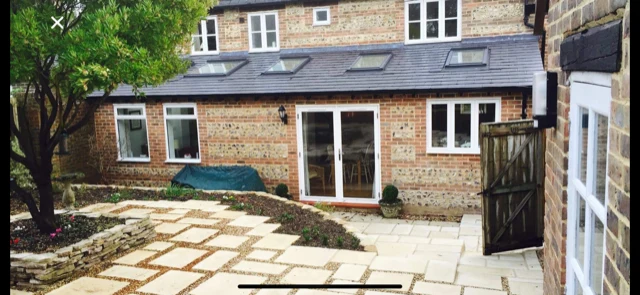

External refurbishment can make a significant difference to the appearance, performance and long-term condition of a property. Homeowners may be considering new render, replacement windows, roof repairs, cladding, a fresh exterior finish or improvements to the rainwater system.
However, visible changes should not be the only focus.
Before investing in exterior work, it is important to understand the condition of the building itself. Small issues around gutters, drainage, walls, rooflines and ground levels can affect the success of a refurbishment project. If these concerns are missed at the beginning, they may lead to extra costs, delays or work needing to be altered once the project is already underway.
An external building survey or detailed inspection can help identify potential issues before decisions are finalised. It gives homeowners, developers and contractors a clearer understanding of what needs attention, what may be suitable for repair and where more substantial work could be required.
Refurbishment Should Begin With a Clear Picture of the Property
It is understandable to focus on the finished result when planning exterior improvements. A new façade, updated roofline or refreshed exterior colour can dramatically change how a property looks.
However, cosmetic work may not solve the underlying cause of visible deterioration.
For example, peeling paint may be linked to water running down an external wall. Cracked render may be affected by movement, moisture or poor drainage. Moss-covered paving may indicate that water is not draining away as it should. Damaged fascia boards may have been affected by overflowing gutters over a long period.
Without investigating these issues properly, there is a risk that new finishes will be applied over problems that remain unresolved. This can reduce the lifespan of the work and lead to unnecessary maintenance later.
A clear inspection allows the project to be planned around the actual condition of the property rather than assumptions based only on appearance.
Look Beyond Obvious Surface Damage
Not every building issue is immediately visible.
A property may look generally sound from a distance while still having smaller defects that need attention. Cracked pointing, loose gutter brackets, failing sealant, damaged roof edges and blocked downpipes can all cause gradual deterioration if left unresolved.
A closer inspection may reveal signs such as staining beneath gutters, damp patches around window openings, crumbling mortar, cracks in render, moss growth around roofline areas or water pooling near the base of external walls.
These issues do not always mean major work is needed. In many cases, early repairs can prevent the problem becoming more extensive. The important point is to identify the cause before refurbishment begins.
For older homes, this is especially valuable. A property may have been altered or repaired several times over the years, and previous work may influence how new materials or finishes should be selected.
Rainwater Management Can Affect the Whole Building
Rainwater is one of the main factors to consider when reviewing the exterior of a property.
Gutters and downpipes are designed to collect roof water and direct it away from the building. When these components are damaged, undersized, blocked or poorly positioned, water may overflow onto walls, doors, patios and paths.
Over time, this can contribute to staining, damp conditions, deterioration around windows, algae growth and damage to surrounding surfaces.
A refurbishment project is a useful opportunity to review the existing rainwater system. This may involve checking whether gutters are secure, whether downpipes are directing water into suitable drainage points and whether the system is suitable for the roof area it serves.
For homeowners, architects and contractors considering replacement roofline products, Alugutter supplies aluminium gutters, downpipes, fascias and related rainwater-management components for residential and commercial projects.
Selecting suitable materials is important, but the wider drainage route should also be considered. A high-quality gutter system can only perform effectively if water is directed away from the property properly once it reaches ground level.
Check Roofline Components Before Repainting or Rendering
The roofline is often overlooked during exterior projects because it sits above eye level. Yet gutters, fascias, soffits and roof edges can have a direct effect on the condition of walls below.
If gutters are overflowing or leaking at joints, repainting or rendering an external wall may only improve the appearance temporarily. Water can continue to affect the surface, causing staining or deterioration to return.
Before applying new paint, render or cladding, it is sensible to inspect the condition of the roofline. Look for sagging gutters, leaking joints, peeling finishes, damaged boards, loose brackets or water marks below the eaves.
Where repair or replacement work is needed, completing it before final exterior finishes are applied can help protect the investment. It can also create a more cohesive result, particularly where roofline colours and materials are being selected to complement the wider refurbishment.
Ground Levels and Drainage Should Be Considered Together
External building issues are not always caused by roof water alone. Ground levels, patios, driveways and pathways can also affect how moisture behaves around a property.
A patio that slopes towards the house, for example, may direct rainwater against external walls or towards door thresholds. A driveway with poor drainage may create standing water near the building. Raised soil or garden beds positioned too close to walls can also contribute to damp conditions.
During an external survey, it is useful to assess how the ground sits in relation to the building. Finished surfaces should generally allow water to move away rather than collect against walls.
This does not necessarily mean large-scale landscaping changes are required. Sometimes, smaller improvements such as clearing drainage channels, adjusting a localised surface level or repairing damaged paving can make a meaningful difference.
The key is to understand how the roofline, ground levels and drainage routes work together before refurbishment decisions are made.
Consider the Age and Character of the Building
The appropriate approach to refurbishment can vary greatly depending on the type of property.
A modern home may have different construction details and material requirements from a Victorian terrace, rural cottage, converted barn or listed building. Older properties may have traditional materials, breathable wall systems or design features that should be handled carefully during repair work.
Using unsuitable materials can sometimes create problems rather than solve them. For example, a finish selected for appearance alone may not be appropriate for the way an older wall was originally designed to manage moisture.
This is why professional advice can be valuable before starting external refurbishment. A building consultant can help assess the condition of the property, identify the likely cause of visible issues and recommend a practical approach that suits the building.
A considered plan can help homeowners avoid spending money on work that does not address the real source of the problem.
Plan the Order of Work Carefully
The sequence of refurbishment work can have a major effect on the finished result.
External walls should not usually be repainted before the source of water damage has been identified. New paving should not be installed before drainage routes and levels have been considered. Roofline replacement should be coordinated with any work involving render, cladding, windows or external lighting.
A logical order may include inspection, repairs to structural or water-management issues, roofline work, external wall repairs, finishing work and landscaping or paving improvements.
Each project will have its own requirements, but planning the order in advance can reduce the risk of finished areas being disturbed later.
For example, installing a new patio before resolving downpipe locations could mean that the surface needs to be altered once drainage work is completed. Similarly, applying a new wall finish before repairing gutters may leave the building exposed to further water staining.
Budget for Findings Before Work Starts
A detailed survey can also help create a more realistic refurbishment budget.
It is common for property owners to have an initial figure in mind based on the visual changes they want to make. However, hidden maintenance issues can affect the overall scope of the project.
Allowing a contingency for repairs, drainage improvements or replacement components can help prevent unexpected pressure once work begins. It also allows decisions to be made based on the actual condition of the property rather than the lowest initial quote.
A clear scope of work can make it easier to compare contractor quotations. Instead of receiving broad estimates that vary significantly, homeowners can ask for prices based on the same known requirements.
This supports better planning and can reduce the chance of disputes or confusion during the project.
A Survey Can Support Better Long-Term Maintenance
The value of an external building survey does not end when refurbishment work is completed.
The findings can help property owners understand which areas need regular checking in the future. This may include gutter cleaning, roofline inspection, drainage maintenance, repointing or monitoring of particular cracks or external features.
A planned maintenance approach can help protect the refurbishment work and reduce the likelihood of small problems escalating.
Regular visual checks after heavy rain are often useful. Look for overflowing gutters, water marks on walls, blocked gullies, standing water around paths and changes in exterior finishes. Identifying these signs early can help protect the property and preserve its appearance.
Plan Exterior Work With Confidence
A successful refurbishment should improve both the look and long-term performance of a building.
Starting with a thorough assessment gives homeowners and developers a stronger basis for making decisions. It helps identify the issues that need attention, supports more accurate budgeting and allows roofline, drainage, wall finishes and landscaping to work together as part of one considered plan.
N.A. Williams Building Consultancy supports property owners with architectural services, planning drawings, surveys and project guidance for residential and commercial work.
For advice on external refurbishment, property surveys, planning drawings or managing a building project, contact N.A. Williams Building Consultancy today.