In today’s fast-paced construction industry, where materials, technologies, and design trends evolve rapidly, there is a growing appreciation for the enduring value of timeless design. For property owners, developers, and architects alike, the challenge lies in marrying traditional architectural elements with modern functionality and performance. At N.A. Williams Building Consultancy, we believe that great design isn’t bound by time—it respects the past while embracing the future.
Understanding Timelessness in Architecture
Timeless design goes beyond fleeting aesthetic trends. It draws from proven principles—proportion, symmetry, scale, and materiality—that have stood the test of time across centuries and cultures. Whether referencing Georgian elegance, Victorian grandeur, or the clean lines of early modernism, timeless architecture remains relevant because it balances form, function, and human connection.
These enduring elements often evoke a sense of permanence, familiarity, and quality—key considerations in residential and commercial construction. At N.A. Williams, we guide clients to incorporate these principles in a way that complements modern building requirements and lifestyles.
Heritage-Inspired Design in Contemporary Builds
Modern construction doesn’t mean abandoning history. In fact, some of the most compelling buildings today take inspiration from the past while using contemporary tools, technologies, and materials to deliver something fresh and functional.
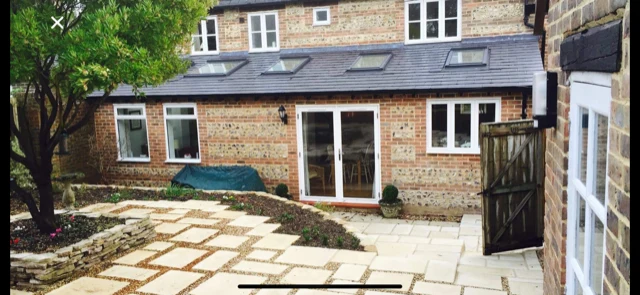
For example, a new-build home might feature traditional stone façades, arched windows, or classical cornicing—but be constructed using high-performance insulation, triple glazing, and smart home infrastructure. Likewise, a commercial space might echo Art Deco motifs while incorporating open-plan layouts and advanced mechanical systems.
By thoughtfully blending heritage influences with modern practicality, N.A. Williams helps clients craft buildings that feel grounded, elegant, and fully future-ready.
Restoring vs. Reinterpreting
While some projects focus on restoring historic properties to their original glory, others aim to reinterpret classic design principles in new construction. Both approaches require sensitivity to materials, architectural language, and context.
Restoration projects typically involve working within strict planning frameworks, heritage protection laws, and traditional construction techniques. These can present challenges in sourcing materials or matching original craftsmanship. As experienced consultants, we support clients in navigating these complexities, ensuring that conservation goals are met without compromising usability or structural integrity.
For reinterpretation projects, the process is more flexible—allowing for creative expression inspired by the past but not bound to its exact replication. Here, we focus on aligning visual cues with modern build standards and energy performance goals, delivering something truly unique.
Integrating Innovation Without Sacrificing Style
One of the biggest challenges when blending heritage with innovation is ensuring that modern features don’t detract from the character of the building. From discreet solar panels and flush roof lights to underfloor heating and integrated smart systems, many contemporary upgrades can now be incorporated seamlessly into traditional-style architecture.
We often work with clients to specify products and finishes that maintain visual harmony while delivering on performance. For instance, modern aluminium windows can be styled to mimic timber sash designs. Similarly, LED lighting systems can be embedded subtly into cornices or mouldings to maintain ambiance while enhancing energy efficiency.
This delicate balance is where building consultancy adds immense value—helping architects, planners, and property owners make informed decisions that honour both aesthetics and innovation.
Planning and Regulatory Considerations
When working with heritage features or traditional design in conservation areas, developers must contend with added planning regulations. Materials, rooflines, and even colour palettes may be subject to approval. At N.A. Williams Building Consultancy, we’re well-versed in local authority requirements and heritage assessments, ensuring that proposals are well-supported from the outset.
We also advise clients on achieving Building Regulations compliance in properties that may otherwise be difficult to retrofit—such as listed buildings or conversions—through careful technical planning and performance upgrades that don’t compromise design integrity.
Why Timeless Design Matters
Buildings are long-term investments, and the choices made today will influence their appeal, performance, and value for decades. While trend-led design might dazzle for a moment, it can quickly date or limit resale value. Timeless design, by contrast, offers enduring relevance and a more sustainable lifecycle.
It also fosters emotional connection. Homeowners, tenants, and visitors alike respond positively to spaces that feel considered, balanced, and welcoming. In a world dominated by disposable culture, timeless buildings stand apart—quietly confident, functional, and beautiful.
Where the Past Meets the Future
At N.A. Williams Building Consultancy, we believe that the future of construction lies not in abandoning tradition but in evolving it. Whether through sensitive refurbishments, sympathetic extensions, or new builds with characterful charm, we help clients bring their architectural visions to life—bridging heritage with modernity at every step.
Through careful planning, material selection, and design integration, we create spaces that are as enduring as they are efficient. Because true innovation isn’t about erasing the past—it’s about building upon it.