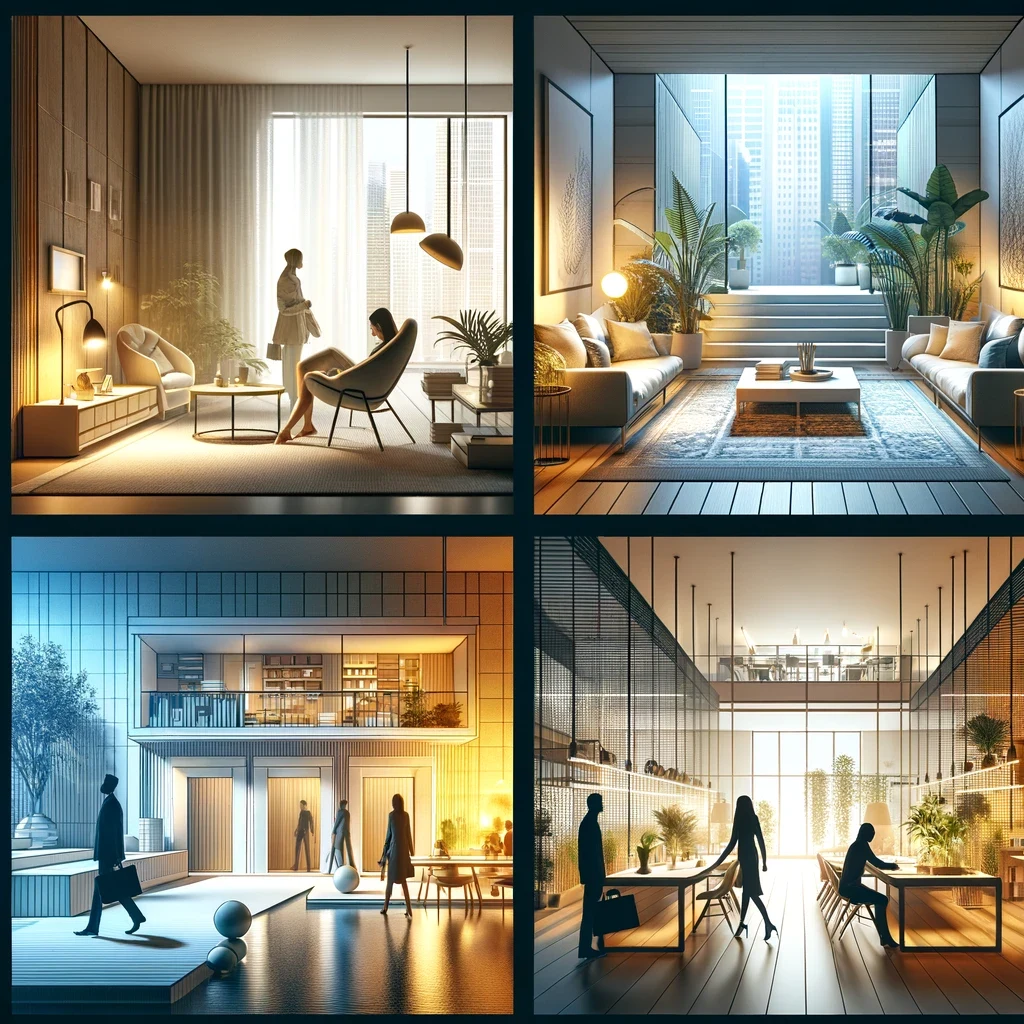
In the fascinating intersection of architecture and psychology, the design of a space significantly influences human emotions, behaviors, and overall productivity. Whether it’s a cozy corner of a home or the expansive layout of a corporate office, the architectural elements such as light, space, and room layout play pivotal roles in shaping our daily experiences. This blog explores how these elements impact mood and behavior in both residential and commercial settings.
Expanded Sections: Delving Deeper into Architectural Psychology
The Impact of Light on Mood and Productivity
Lighting stands as a pivotal element in architectural design, significantly impacting human psychology. The presence of natural light not only enhances visibility but also plays a crucial role in regulating circadian rhythms, which govern our sleep patterns, mood, and overall cognitive functions. Research underscores the benefits of natural light in workspaces, noting that environments awash in sunlight report higher productivity levels and reduced instances of drowsiness and depression among employees. Similarly, in residential settings, the strategic use of natural light transforms living spaces into vibrant and welcoming environments, profoundly influencing the well-being and emotional state of residents. This dynamic relationship between natural light and human behavior highlights the necessity of integrating ample daylight in architectural planning to foster healthier and more productive living and workspaces.
Spatial Configurations and Human Interaction
The configuration of space within a building plays a critical role in shaping the flow of movement and the nature of interactions among its occupants. Commercial spaces often employ open floor plans to enhance teamwork and facilitate open communication. However, such layouts need to be balanced with well-designed quiet zones to prevent sensory overload and ensure productivity is maintained. In residential settings, the challenge lies in creating a layout that respects both private and communal needs, providing secluded areas for individual activities while also designing inviting communal spaces that encourage family interactions and social gatherings. Thoughtfully designed spatial configurations consider the diverse needs of occupants, promoting both social connectivity and individual privacy.
The Role of Room Layout in Functionality and Comfort
Room layout transcends aesthetic considerations, focusing deeply on functionality and comfort. How furniture is arranged and rooms are designed influences the ease of movement and the effectiveness of space utilization. In commercial settings, ergonomic room layouts are essential; they help minimize physical strain and promote health among employees, contributing to more productive work environments. In residential designs, the layout should foster a sense of security and belonging, creating cozy, functional spaces that cater to relaxation and family time. This strategic planning in room layout ensures that spaces are not only pleasing to the eye but also profoundly supportive of the daily activities of its users.
Color Psychology: More Than Just Aesthetics
The use of color in architecture extends beyond decoration to serve as a potent psychological tool that elicits specific emotional responses. Blue, often associated with calmness and stability, is preferred in office environments to boost focus and reduce stress. Conversely, vibrant colors like red, which symbolize energy and passion, are ideal for energizing living spaces. The thoughtful application of color psychology can dramatically affect the mood and behavior of both residents and office users, making it a critical consideration in architectural design.
Integrating Nature: Biophilic Design
Biophilic design, or the practice of incorporating natural elements into architectural environments, has been shown to significantly benefit human well-being. This design philosophy involves using plants, water features, and natural materials to create a more organic and calming environment. Studies have demonstrated that such designs can lower stress, blood pressure, and heart rates while boosting happiness and creativity. Whether in residential homes or commercial workplaces, integrating aspects of nature can dramatically enhance the physical and mental health of occupants, making biophilic design a vital component of modern architectural practices.
Harnessing the Transformative Power of Architectural Design
The architecture of a space transcends mere aesthetics and function; it is an essential determinant of our daily experiences and behaviors. Effective architectural design involves more than the physical arrangement of spaces—it engages with the psychological impacts of elements like light, spatial layout, and color to profoundly enhance well-being and productivity. By deeply understanding the psychological influences of these design components, architects and designers are equipped to forge environments that do more than satisfy functional necessities; they actively promote better mental and physical health.
In both residential and commercial realms, the thoughtful application of design principles that consider human psychology can transform ordinary spaces into sanctuaries that support and enrich human life. Spaces that are designed with an awareness of their psychological impacts do not merely function as places of living or work; they become places of healing, inspiration, and joy.
Moreover, embracing the psychology of space within architectural practice is not just beneficial but essential for creating environments that uplift and support their occupants. As we continue to navigate the complexities of modern life, the role of intelligently designed spaces becomes even more crucial. Good design, therefore, is not just a tool for aesthetic enhancement but a foundational strategy for fostering a healthier, more productive, and inherently happier society.