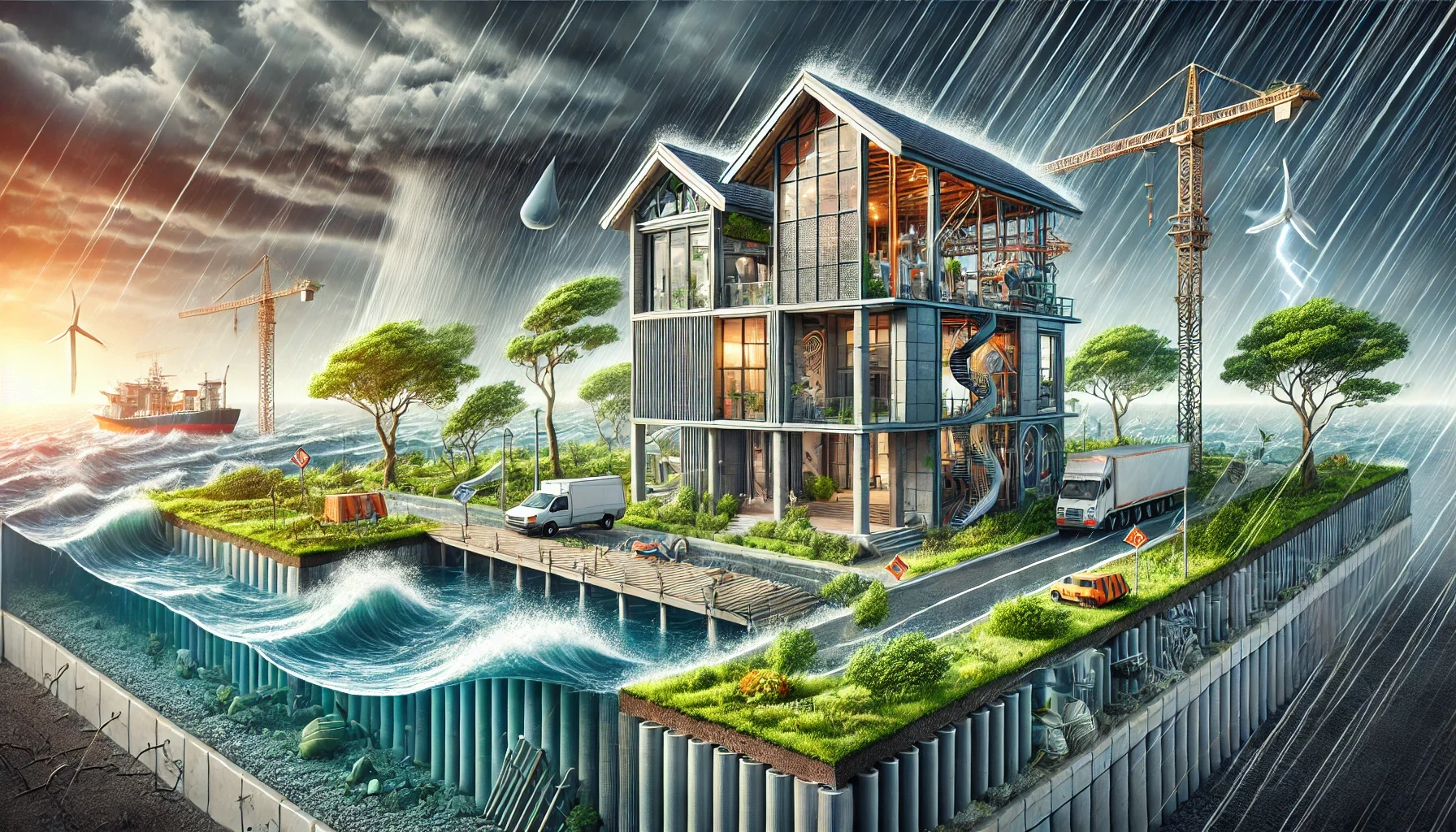
In an era where natural disasters seem increasingly frequent and severe due to climate change, the importance of resilient building design has never been more critical. Engineers and architects face the challenge of designing structures that not only meet aesthetic and functional standards but also withstand the forces of nature—from earthquakes and hurricanes to floods and wildfires. This blog post delves into the strategies and design choices that can enhance building resilience against such calamities, ensuring safety, sustainability, and longevity.
Understanding Resilient Design
Resilient design in architecture refers to creating buildings that are prepared to handle environmental stresses without significant damage. The primary goal is to protect human life, preserve the structure’s integrity, and facilitate a quick recovery following a disaster. This involves a combination of innovative engineering, thoughtful material selection, and strategic planning.
Earthquake-Resistant Structures
1. Base Isolation Technology
One of the most effective techniques in earthquake engineering is base isolation. This method involves constructing a building on shock absorbers that decouple the structure from the ground, allowing the earth to move independently underneath. This reduces the energy transfer during an earthquake, significantly lowering the risk of damage.
2. Flexible Materials and Design
Using flexible building materials and design elements such as moment-resisting frames can absorb and dissipate the energy of seismic waves. These frames are specifically designed to bend without breaking, allowing buildings to sway safely during seismic activity.
Hurricane-Proofing Buildings
1. High Wind Resistance
To combat the high winds of hurricanes, buildings must have reinforced roofing and impact-resistant windows. Special hurricane clips and ties can be used to secure roofs to the main structure more robustly. Additionally, installing laminated glass windows or storm shutters can prevent debris from breaking windows and compromising the building’s envelope.
2. Aerodynamic Shape
Designing buildings with rounded or sloped shapes can help reduce wind pressure and the likelihood of structural failure. The aerodynamic design helps to redirect wind around and over the building rather than resisting it directly.
Flood-Resistant Construction
1. Elevated Structures
In flood-prone areas, raising the height of buildings is a common and effective strategy. Elevating the main floor above the base flood elevation can prevent water ingress and protect the critical infrastructure of the building.
2. Water-Resistant Materials
Using materials that can withstand being submerged in water, such as stainless steel, concrete, and treated wood, is crucial. Additionally, designing electrical systems and other sensitive utilities to be above potential water levels ensures functionality post-flood.
Fire-Resistant Techniques
1. Non-Combustible Materials
For areas prone to wildfires, utilizing non-combustible materials is essential. Materials like metal roofing, fiber cement siding, and double-paned glass can help prevent flames from spreading and reduce heat transmission.
2. Defensible Space
Creating a defensible space around the building can significantly reduce fire risk. This involves managing vegetation to keep flammable materials away from the structure, thus providing a buffer zone that slows the fire’s spread.
Integrated Design Approach
To effectively implement these strategies, an integrated design approach is needed where architects, engineers, urban planners, and community stakeholders collaborate from the project’s outset. This ensures that all aspects of resilience are considered and optimized in the final design.
Investing in Resilience
While incorporating resilient design features often involves higher initial costs, the long-term savings in terms of reduced repair needs and enhanced safety are substantial. Investment in resilient design is not just economically prudent; it’s a proactive measure in human safety and environmental responsibility.
Building Towards a Safer Future
Adopting resilient design principles is crucial for constructing buildings capable of withstanding natural disasters. Through strategic engineering, thoughtful material selection, and collaborative planning, the construction industry can create safer environments that endure through adversity. As we continue to face the challenges posed by a changing climate, building resilience not only responds to the immediate demands of natural disasters but also contributes to a sustainable and secure architectural legacy for future generations.