Safety is paramount in the construction industry, where hazards abound and risks can have severe consequences. Implementing robust safety protocols, adhering to regulations, and fostering a culture of safety are critical to protecting workers, maintaining project integrity, and achieving successful outcomes. In this comprehensive guide, we delve into essential practices and regulatory requirements that construction professionals should embrace to ensure safety on construction sites.
Introduction to Construction Safety
Construction sites are dynamic environments where multiple activities occur simultaneously, involving heavy machinery, heights, electrical hazards, and more. Ensuring safety requires a proactive approach that begins with understanding and addressing potential risks before they manifest into accidents or injuries. By integrating safety into every aspect of project planning, execution, and completion, construction companies can mitigate risks, improve efficiency, and uphold their duty of care to workers and stakeholders.
Implementing Safety Protocols
1. Comprehensive Risk Assessment
Before commencing any construction project, conducting a thorough risk assessment is crucial. This process involves identifying potential hazards specific to the site, such as:
- Physical Hazards: Uneven terrain, scaffolding, and working at heights.
- Mechanical Hazards: Operation of heavy machinery and equipment.
- Chemical Hazards: Exposure to hazardous substances like asbestos or silica dust.
- Biological Hazards: Risks related to exposure to mold or bacteria in poorly ventilated areas.
By identifying these hazards early on, construction teams can implement targeted safety measures and preventive controls to reduce risks.
2. Safety Planning and Documentation
Developing a comprehensive safety plan is essential for outlining procedures, emergency protocols, and protective measures. Key components of a safety plan include:
- Safety Procedures: Clear instructions on how to safely perform tasks, use equipment, and handle materials.
- Emergency Protocols: Steps to follow in case of accidents, fires, or other emergencies.
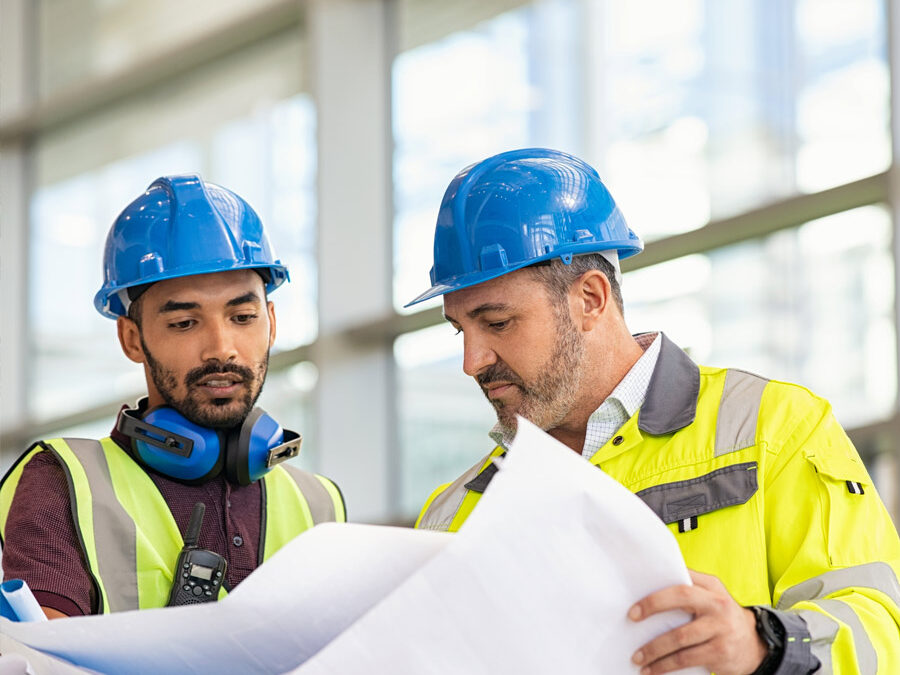
- Personal Protective Equipment (PPE): Requirements for wearing appropriate PPE, such as helmets, gloves, and safety harnesses.
- Communication Protocols: Methods for communicating safety information, including safety meetings and toolbox talks.
Documenting these protocols ensures that all workers are aware of their responsibilities and adhere to safety standards throughout the project duration.
Adhering to Regulatory Requirements
3. Understanding Local and National Regulations
Construction companies must stay informed about and comply with safety regulations set forth by local authorities and national agencies such as the Occupational Safety and Health Administration (OSHA) in the United States or the Health and Safety Executive (HSE) in the United Kingdom. These regulations cover various aspects of construction safety, including:
- Fall Protection: Requirements for guardrails, safety nets, and personal fall arrest systems.
- Scaffolding: Guidelines for erecting, inspecting, and dismantling scaffolding safely.
- Electrical Safety: Standards for electrical installations, grounding, and safe work practices.
- Excavation and Trenching: Rules for soil classification, protective systems, and access points in excavations.
Non-compliance with these regulations can result in fines, project delays, and, most importantly, increased risks to worker safety.
4. Regular Safety Inspections and Audits
Conducting regular safety inspections and audits is essential to identify potential hazards, assess compliance with safety standards, and implement corrective actions promptly. These inspections should encompass:
- Site Inspections: Visual assessments of the construction site to identify hazards and ensure adherence to safety protocols.
- Equipment Inspections: Regular checks and maintenance of machinery and tools to ensure they are in safe working condition.
- Documentation Audits: Reviewing safety records, incident reports, and training documentation to verify compliance with regulatory requirements.
By proactively addressing safety issues through inspections and audits, construction companies demonstrate their commitment to maintaining a safe working environment.
Fostering a Culture of Safety
5. Training and Education
Investing in comprehensive training and education for all personnel is fundamental to fostering a culture of safety. Training programs should cover:
- Safety Orientation: Introduction to site-specific hazards, safety protocols, and emergency procedures for new hires.
- Task-Specific Training: Hands-on instruction on safely operating machinery, handling hazardous materials, and performing tasks.
- Continuous Education: Regular updates on safety regulations, new hazards, and best practices through workshops, seminars, and online resources.
Empowered and well-trained workers are more likely to recognize hazards, follow safety procedures, and contribute to a safer workplace.
6. Promoting Safety Awareness and Engagement
Encouraging active participation in safety initiatives enhances awareness and engagement among workers. Strategies to promote safety awareness include:
- Safety Meetings: Regularly scheduled meetings to discuss safety topics, share experiences, and address concerns.
- Safety Incentives: Recognizing and rewarding individuals or teams that demonstrate exemplary safety practices.
- Anonymous Reporting: Establishing mechanisms for workers to report safety hazards or near misses without fear of reprisal.
By involving workers in safety initiatives and valuing their input, construction companies create a collaborative environment focused on continuous improvement.
Leveraging Technology for Enhanced Safety
7. Use of Advanced Safety Technologies
Technological advancements play a crucial role in enhancing construction site safety. Some innovative technologies include:
- IoT Sensors: Monitoring worker movements, equipment usage, and environmental conditions in real-time.
- Virtual Reality (VR) and Augmented Reality (AR): Simulating hazardous scenarios for training purposes and conducting virtual site inspections.
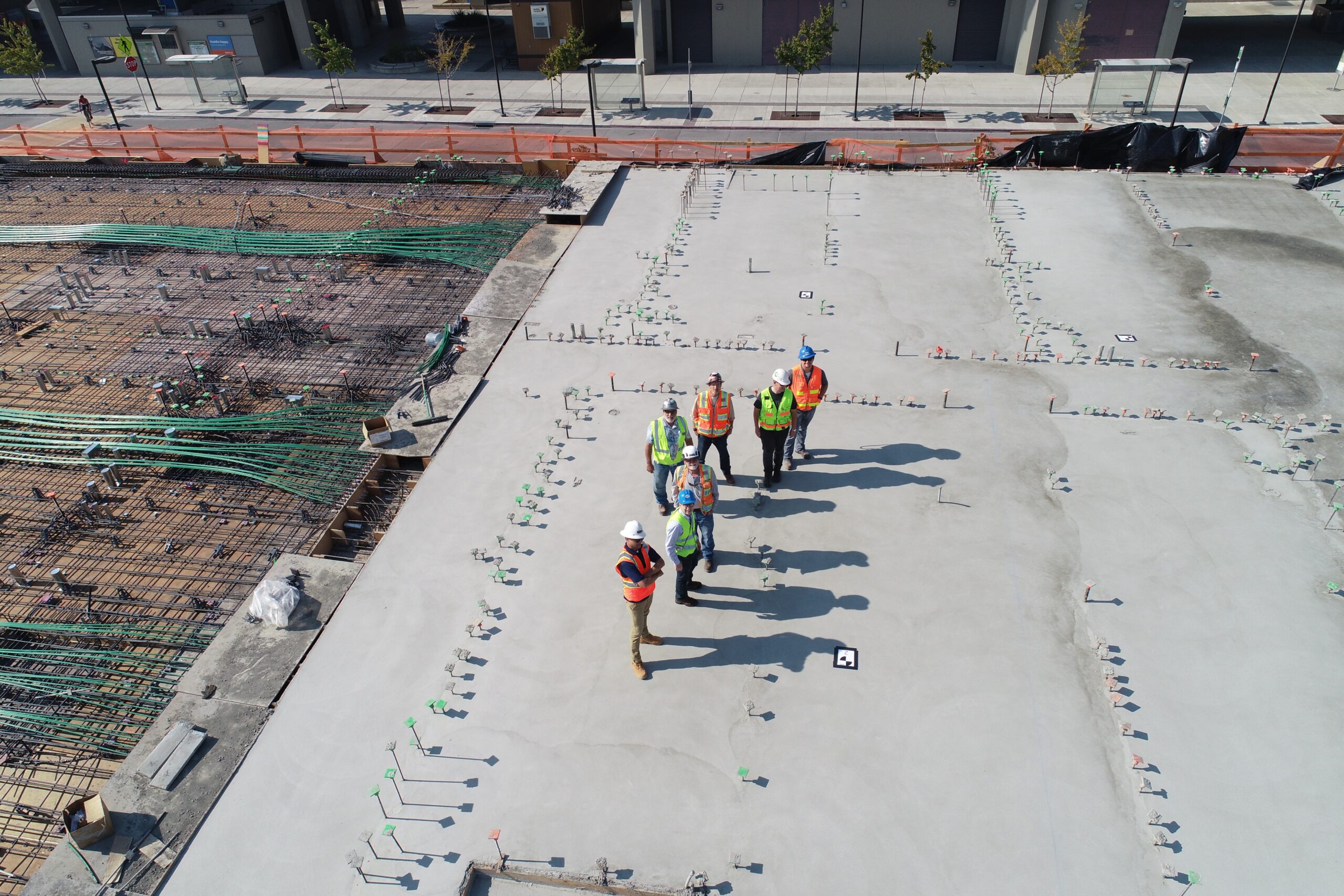
- Drones: Conducting aerial surveys, monitoring progress, and identifying potential safety hazards from a bird’s-eye view.
Integrating these technologies into safety management systems enables construction companies to proactively identify risks and improve safety outcomes.
Conclusion
In conclusion, ensuring safety in construction requires a multifaceted approach that integrates robust safety protocols, compliance with regulatory requirements, and a strong safety culture. By prioritizing safety from the planning stages through project completion, construction companies can mitigate risks, protect workers’ well-being, and achieve successful project outcomes. Embracing continuous improvement, leveraging technological advancements, and empowering workers through education and engagement are key strategies to uphold the highest standards of safety in the dynamic construction industry. By doing so, construction companies not only enhance their reputation but also contribute to a safer and more sustainable future for all stakeholders involved in construction projects.