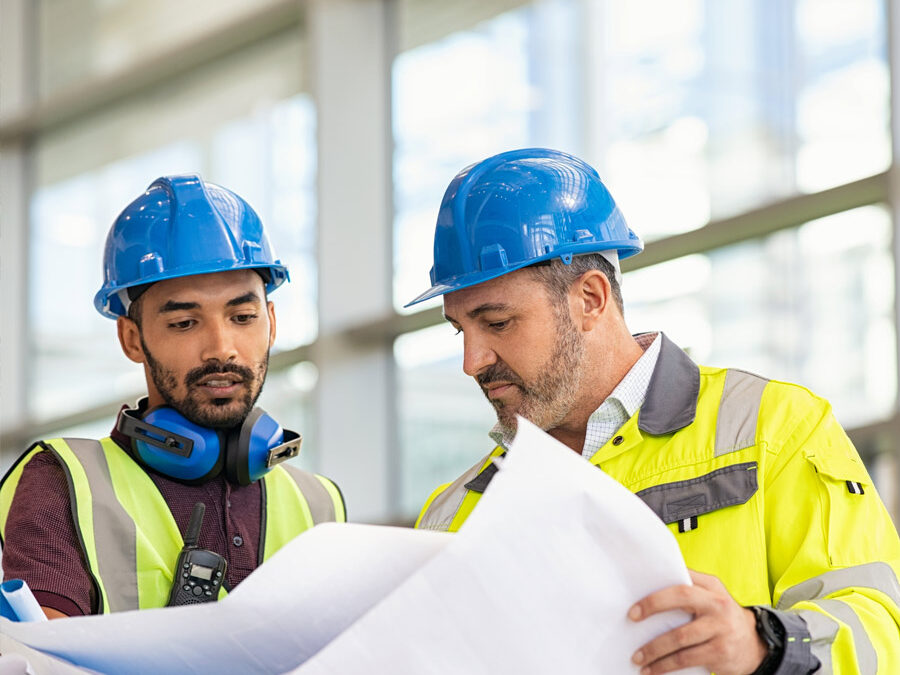
In the realm of construction, efficiency is paramount, not only for meeting deadlines and budgets but also for delivering sustainable and high-quality buildings. One of the most effective strategies to achieve this is through integrated design principles. Integrated design entails the collaborative effort of architects, engineers, contractors, and other stakeholders from the project’s inception to completion. Here’s how integrated design can optimize building efficiency and enhance project outcomes:
1. Holistic Planning and Coordination:
Integrated design starts with early collaboration among all project team members. By involving architects, engineers, contractors, and consultants from the outset, potential conflicts and inefficiencies can be identified and addressed early in the planning phase. This ensures that all aspects of the project, from design to construction and operations, are aligned with the project’s goals and objectives.
2. Improved Communication and Collaboration:
Effective communication and collaboration are key components of integrated design. When all stakeholders work together seamlessly, they can leverage their expertise to propose innovative solutions, streamline processes, and make informed decisions. This interdisciplinary approach fosters creativity and problem-solving, leading to better design solutions and optimized construction methodologies.
3. Enhanced Energy Efficiency and Sustainability:
Integrated design prioritizes energy efficiency and sustainability by considering these factors from the project’s inception. By integrating sustainable design principles, such as passive solar design, efficient HVAC systems, and renewable energy technologies, buildings can significantly reduce their environmental footprint while lowering long-term operational costs.
4. Streamlined Project Management:
Integrating design and construction processes allows for more efficient project management. Through collaborative planning, scheduling, and budgeting, project teams can identify potential bottlenecks or delays early on and implement strategies to mitigate risks. This proactive approach helps maintain project timelines and budgets, ensuring smoother project delivery.
5. Lifecycle Considerations:
Integrated design extends beyond the completion of construction to include considerations for the building’s lifecycle. By addressing maintenance, operational efficiency, and adaptability during the design phase, buildings can remain functional and efficient over their lifespan. This holistic approach enhances the building’s resilience and reduces lifecycle costs.
6. Client Satisfaction and Occupant Comfort:
Ultimately, integrated design aims to enhance client satisfaction by delivering buildings that meet or exceed expectations in terms of performance, aesthetics, and functionality. Occupant comfort and well-being are prioritized through thoughtful design solutions that optimize natural light, indoor air quality, and acoustic performance.
Conclusion
In conclusion, adopting an integrated design approach offers numerous benefits for construction projects, including improved efficiency, enhanced sustainability, streamlined project management, and client satisfaction. By fostering collaboration, innovation, and holistic planning, integrated design ensures that buildings not only meet current needs but also anticipate future challenges and opportunities in the built environment.
By embracing integrated design principles, N.A. Williams Building Consultancy can lead the way in delivering cutting-edge, efficient, and sustainable construction solutions that set new benchmarks in the industry.