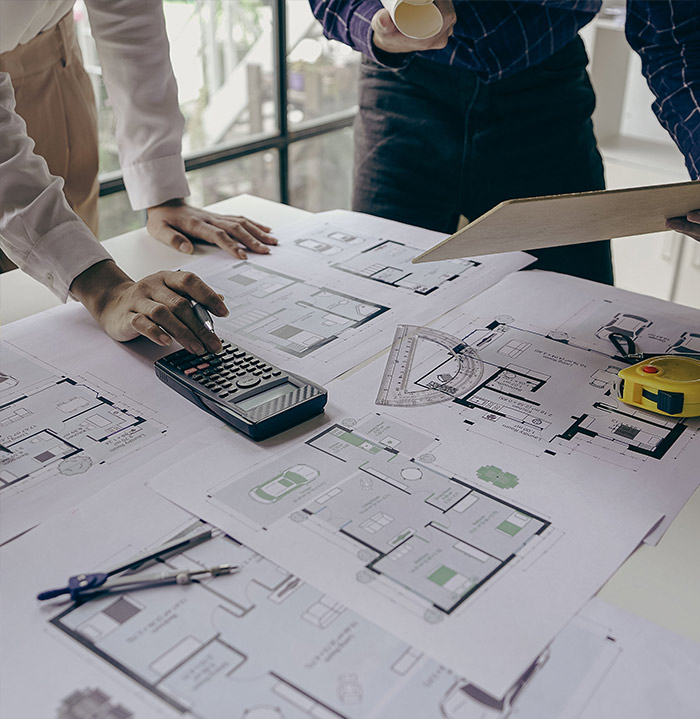
Modern workplaces are evolving beyond functionality. They’re no longer just spaces for completing tasks — they’re environments that influence how people feel, think, and perform. With employee wellbeing becoming a priority for forward-thinking organisations, the role of architectural design has expanded to encompass psychology, comfort, and health as much as layout and efficiency.
At N.A. Williams Building Consultancy, we recognise that a well-designed workspace can enhance focus, morale, and collaboration, ultimately driving organisational success. The key lies in understanding the human factor — designing with people, not just performance, in mind.
Light and Mood: Harnessing Natural Illumination
Lighting is one of the most powerful yet often underestimated elements of workspace design. Exposure to natural light regulates circadian rhythms, improving sleep patterns, alertness, and overall mental health. Studies consistently show that employees working in daylight-rich environments report higher satisfaction and productivity levels.
Architectural strategies such as open floor plans, strategically placed glazing, and skylights can transform the atmosphere of an office. Meanwhile, smart lighting systems that adjust brightness and colour temperature throughout the day help mimic natural light cycles, reducing eye strain and fatigue.
At N.A. Williams Building Consultancy, we advise clients to consider daylight performance at the early design stage, ensuring each workspace maximises visibility and comfort without compromising energy efficiency.
Acoustics and Focus: Balancing Sound in the Modern Office
Noise control is a critical yet frequently overlooked component of workplace wellbeing. Excessive sound levels can increase stress and hinder concentration, while silence can feel isolating or uncomfortable. The challenge lies in finding the right acoustic balance.
Techniques such as acoustic panels, suspended ceiling baffles, and strategic furniture placement can significantly reduce unwanted noise. In open-plan offices, zoning — separating quiet zones from collaborative areas — allows for flexibility while maintaining focus.
By working closely with architects and interior designers, building consultants help create soundscapes that foster calm, creativity, and communication — a vital element of healthy workspace design.
Material Matters: The Impact of Texture, Colour, and Air Quality
The materials used in construction and finishing play an essential role in the sensory experience of a workspace. Natural materials such as timber and stone evoke warmth and tranquillity, while soft furnishings and muted colour palettes can reduce stress and create a welcoming atmosphere.
Equally important is indoor air quality. Low-VOC paints, natural flooring, and breathable fabrics contribute to a healthier environment by reducing the presence of pollutants. These design decisions not only enhance comfort but also support the sustainability goals that modern businesses are striving to meet.
At N.A. Williams Building Consultancy, we evaluate materials holistically — assessing their environmental performance, durability, and impact on human health.
Spatial Design: Encouraging Movement and Connection
A well-planned layout is the foundation of a productive workspace. Poor spatial flow can lead to bottlenecks, distractions, or discomfort, while thoughtful zoning encourages collaboration and creativity. Integrating biophilic elements, such as plants, natural textures, and views of nature, has been shown to reduce stress and boost cognitive function.
Flexible layouts — including breakout spaces, informal seating, and modular furniture — give employees autonomy over how and where they work. This adaptability supports different working styles and fosters a stronger sense of control and belonging.
Thermal Comfort: Regulating Temperature for Productivity
Temperature is one of the most frequently cited factors affecting comfort and concentration. A well-designed HVAC system that allows for individual control where possible can make a dramatic difference to workplace satisfaction. Passive design measures, such as shading, insulation, and natural ventilation, further enhance thermal efficiency while reducing operational costs.
By incorporating comfort modelling early in the design phase, building consultants can ensure that environmental systems support both wellbeing and sustainability.
Technology and Wellbeing: Smart Buildings for Smarter Work
The integration of smart building technology allows real-time monitoring of indoor conditions such as light, temperature, and air quality. These systems can adapt dynamically to the needs of occupants, ensuring consistent comfort throughout the day.
For businesses, this translates to higher productivity and reduced absenteeism — clear evidence that wellbeing-oriented design isn’t just a moral choice but a strategic investment.
The Consultant’s Role: Aligning People, Performance, and Place
At N.A. Williams Building Consultancy, our approach bridges the gap between architectural vision and human experience. We guide clients through every stage — from conceptual planning to post-occupancy evaluation — ensuring that designs not only meet building standards but also nurture the people within them.
A workspace designed around wellbeing isn’t just about aesthetics or compliance; it’s about creating environments where individuals and organisations can thrive. As the boundaries between home and office continue to blur, human-centred design will remain a defining factor in successful modern architecture.