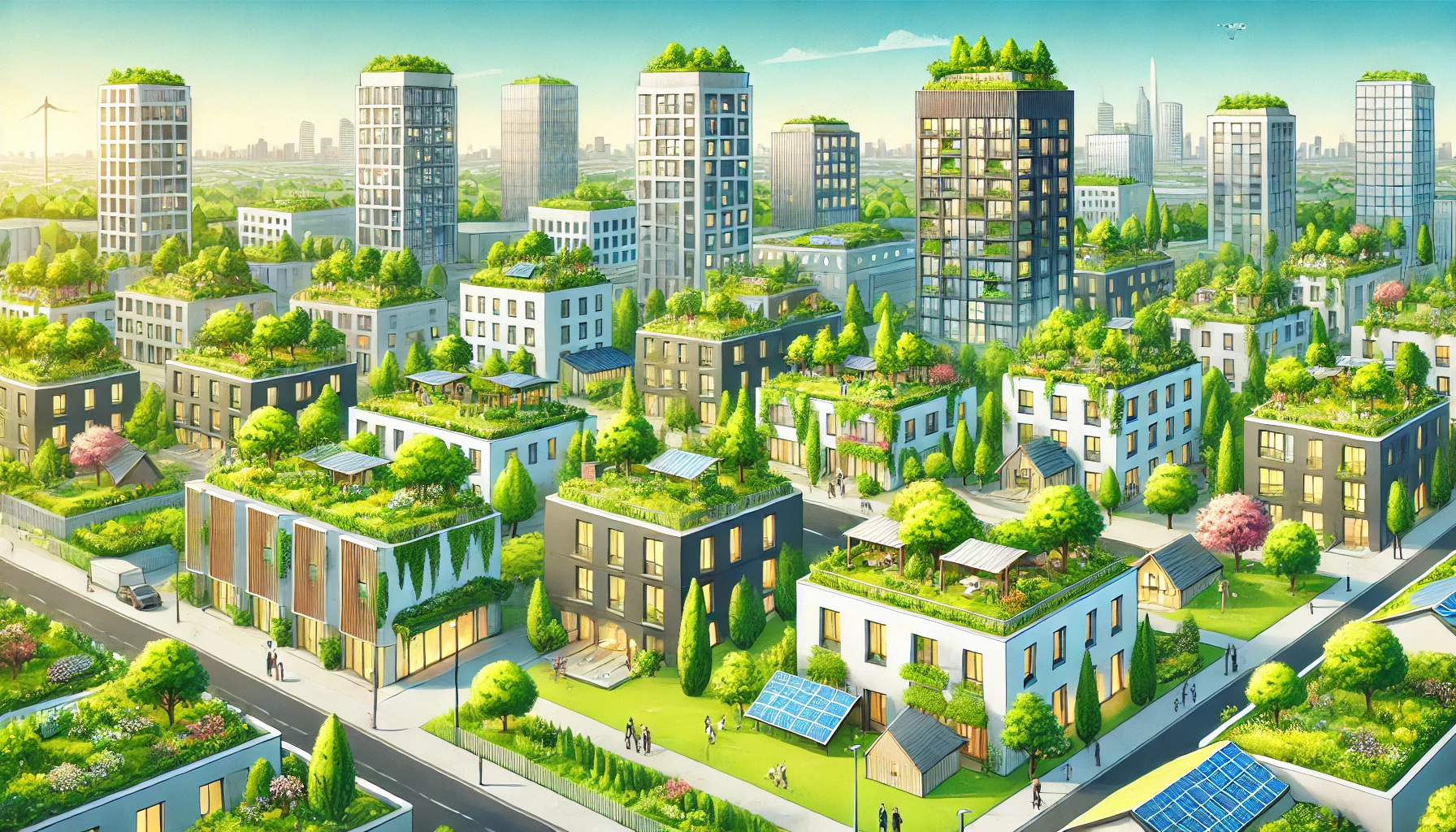
Green roofing stands at the forefront of sustainable urban development, offering a multitude of benefits that extend far beyond simple aesthetics. These living systems transform rooftops into vibrant, functional spaces that contribute significantly to environmental health and urban biodiversity. As cities continue to expand and the pressure on urban ecosystems intensifies, the adoption of green roofs can play a crucial role in mitigating the impacts of urbanization while enhancing building performance.
Multifaceted Benefits of Green Roofs
Green roofs are more than just an attractive feature; they are a proactive response to the environmental challenges posed by dense urban environments. By installing green roofs, property owners can help reduce the urban heat island effect, which has become a pressing issue in many cities around the world. The layers of vegetation act as natural insulators, cooling the air and providing relief from the sweltering heat that can accumulate in concrete-heavy areas.
Moreover, these green spaces are instrumental in managing stormwater runoff—a critical concern in urban settings where non-permeable surfaces dominate. Green roofs absorb and retain rainfall, reducing the burden on city drainage systems and lowering the risk of flooding. This natural absorption process also filters rainwater, which can help decrease the amount of pollutants reaching urban waterways.
In terms of energy efficiency, green roofs have shown remarkable potential. They provide excellent insulation, keeping buildings warmer in winter and cooler in summer, thus reducing the overall energy consumption for heating and cooling. This not only leads to cost savings but also lowers the carbon footprint of the buildings.
Strategic Considerations for Implementation
For those considering green roofs, it’s important to approach their implementation with a strategic mindset. This involves understanding the specific design considerations that align with the architectural characteristics and environmental conditions of each building. Selection of appropriate vegetation is crucial; plants should be chosen not only for their aesthetic value but also for their resilience and low maintenance needs.
The structural integrity of the building is another vital aspect. A thorough assessment must be conducted to ensure that the existing roof can support the additional weight of a green roof, especially when saturated with water. Upgrading structural elements might be necessary to accommodate this innovative feature.
Ongoing Care and Community Impact
Once installed, green roofs require consistent maintenance to ensure their long-term health and effectiveness. This includes regular weeding, ensuring proper drainage, and occasional replanting to maintain the roof’s ecological balance. Engaging with professionals who specialize in the care of green roofs can help simplify this process.
Beyond the building itself, green roofs can contribute to community well-being by providing accessible green spaces for residents, particularly in densely populated urban areas. These spaces can serve as community gardens, recreational areas, or simply places for relaxation and enjoyment of nature, thereby enhancing the quality of urban life.
Investing in a Greener Future: The Promise of Green Roofing
As urban areas continue to grow and environmental challenges become more pressing, the adoption of green roofing emerges as a pivotal investment in our collective future. This innovative approach to sustainable building design offers a multifaceted solution that addresses both the immediate and long-term needs of urban environments.
Enhancing Environmental Resilience
By embracing the green roof revolution, property owners and developers play a crucial role in enhancing the environmental resilience of their communities. Green roofs act as natural air purifiers, absorbing pollutants and producing oxygen, which helps improve air quality in densely populated areas. They also provide a habitat for urban wildlife, supporting biodiversity in environments where green spaces are limited. The vegetation on green roofs can attract pollinators such as bees and butterflies, contributing to the health of the broader ecosystem.
Mitigating Climate Change Effects
Green roofs are effective in mitigating the impacts of climate change. By reducing the urban heat island effect, they help lower temperatures in cities, making them more comfortable and reducing the energy demand for cooling systems. This cooling effect not only benefits individual buildings but also has a cumulative impact on the broader urban area, helping to combat the effects of global warming.
Economic and Social Benefits
The economic advantages of green roofs are significant. They can extend the lifespan of roofing materials by protecting them from the elements, reducing maintenance and replacement costs. Furthermore, the energy savings achieved through improved insulation can lead to substantial reductions in utility bills. These savings can offset the initial investment in green roofing over time, making it a financially viable option for many property owners.
Socially, green roofs contribute to the well-being of urban dwellers by providing accessible green spaces. These areas can serve as communal gardens, recreational spaces, or serene environments for relaxation and stress relief. The presence of greenery has been shown to have positive effects on mental health, reducing stress and improving overall quality of life. Green roofs also offer educational opportunities, allowing residents and visitors to learn about sustainable practices and the benefits of green infrastructure.
A Testament to Innovative Thinking
The integration of green roofs into urban landscapes is a testament to innovative thinking and a commitment to sustainable development. It reflects a proactive approach to urban planning, where aesthetics, functionality, and environmental responsibility are seamlessly blended. As cities strive to become more sustainable, green roofs symbolize a shift towards more thoughtful and responsible building practices.
The Future of Urban Development
Looking ahead, the widespread adoption of green roofs promises a greener, more sustainable future for cities around the world. As technology and materials continue to advance, the potential for even more efficient and effective green roofing solutions grows. Governments and policymakers can support this transition by offering incentives and subsidies to encourage the installation of green roofs, recognizing their value in urban sustainability strategies.
In conclusion, investing in green roofing is not merely a trend but a profound commitment to a sustainable future. It represents a holistic approach to urban development that prioritizes the health of the environment and the well-being of city residents. By transforming rooftops into thriving green spaces, we can create cities that are not only resilient and sustainable but also vibrant and livable for generations to come. Embracing green roofs is a critical step towards achieving the vision of sustainable urban living, where every building contributes to the health and harmony of the urban ecosystem.